
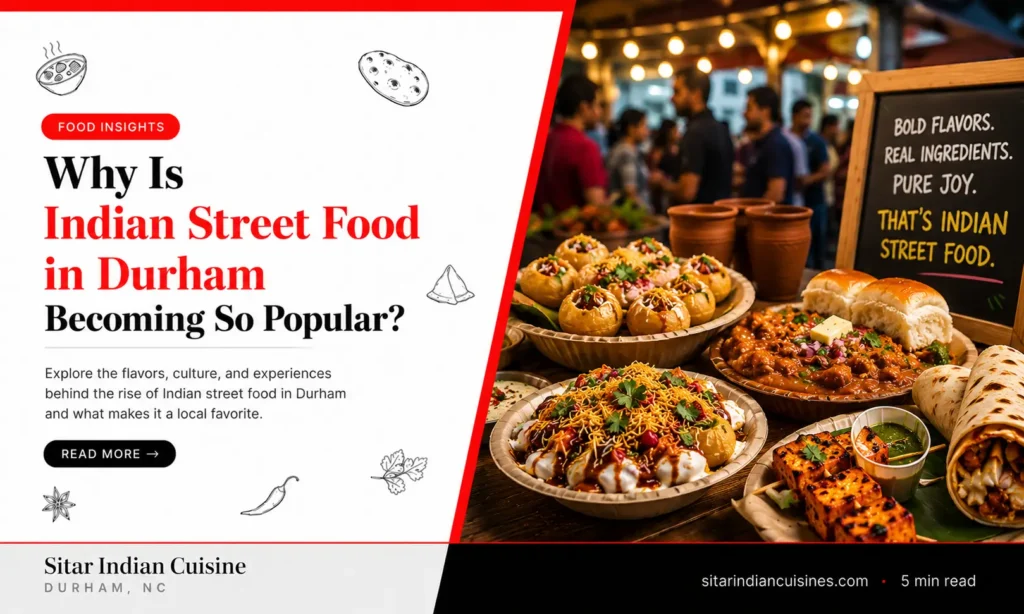
Durham’s dining culture shifted hard in twenty six years. Indian flavors now pop up everywhere, once-rare tastes feel right at home on local plates from an Indian food restaurant in Durham to a diverse Indian restaurant buffet, many people keep discovering the deep tastes. Restaurants such as Sitar Indian Cuisine, for over two decades, have welcomed people through taste. Fresh, natural elements meet age-old methods here, as here new faces often arrive curious. Regulars return again and again, spices tell stories passed down generations. Every dish carries the rhythm of India’s busy streets. Longstanding traditions shape each bite. Flavor moves without loud announcement, as the experience speaks before words do.
Food from India shows up more often on plates across Durham now, and people here come from many backgrounds. Curiosity about real flavors from faraway places plays a part. The growing interest in Indian street food in Durham is another major reason behind this trend. Buffet setups help, and so do sit-down meals, along with Indian food Durham delivered straight to your door. This piece looks at how small bites from Indian streets are grabbing attention lately. It feels alive, sharp, and different every time.
Why Indian Food Durham Continues to Grow?
Indian cuisine like in Indian restaurant Durham These days, global cuisine like Indian food Durham spreads fast across U.S. cities like Durham fits right into that shift. As more people move in, different cultures take root, pushing restaurants to offer wider tastes.
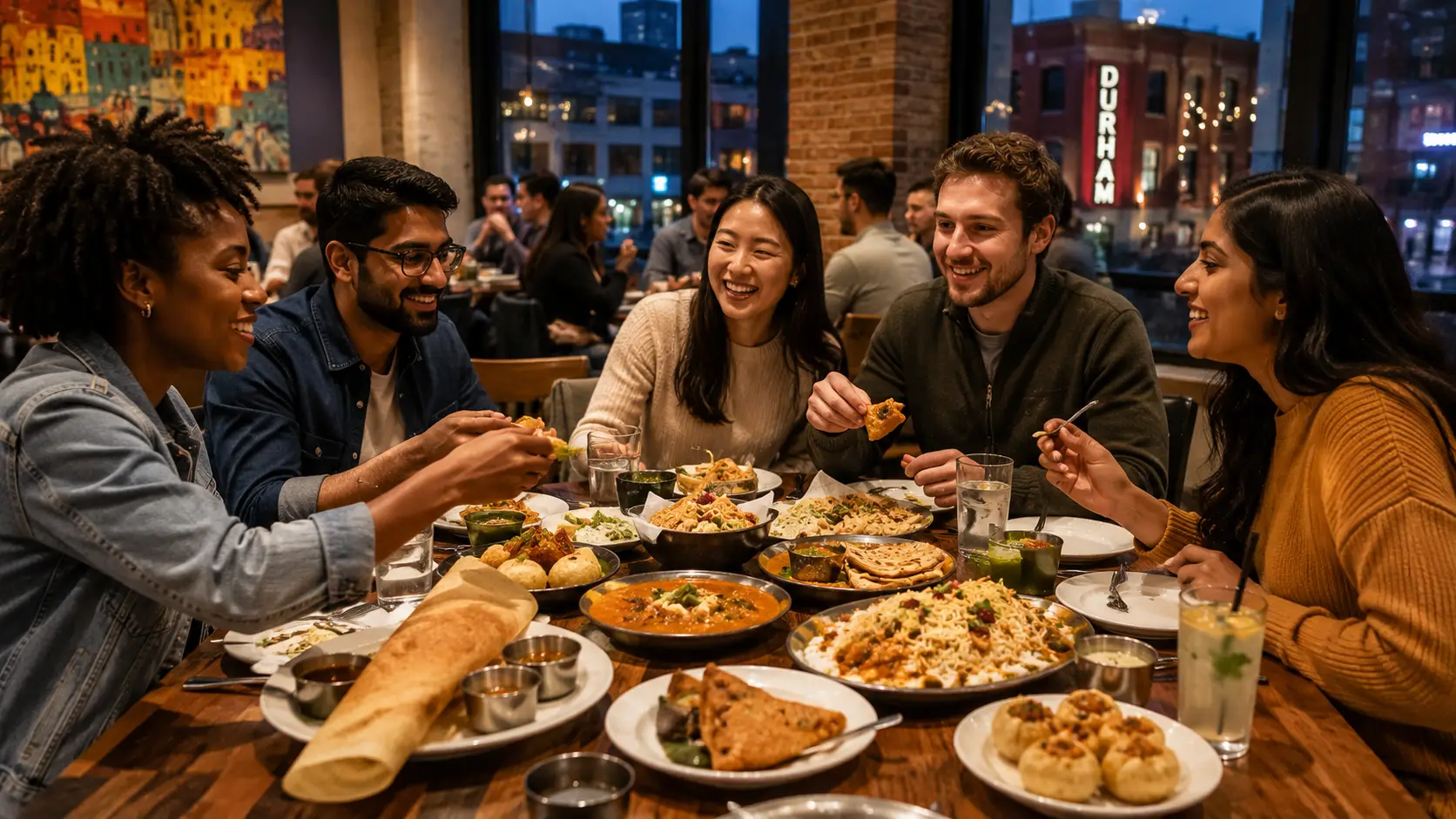
More people live in Durham County now than twenty six years ago, numbers from the U.S. Census Bureau. The area known as the Research Triangle pulls in people, workers, learners, parents from far beyond these states. Because so many different backgrounds mix here, tastes have shifted. Dishes once considered foreign show up more often on dinner plates, Indian meals among them.
Several factors are driving this growth:
- Increased cultural diversity in Durham
- Growing interest in authentic global cuisine
- Popularity of food delivery services
- Rising demand for vegetarian and vegan options
- Greater exposure to Indian culture through travel and media
Across the U.S., eating habits are shifting in a similar direction. Year after year, data from restaurant trade groups shows people reaching for Best Indian dishes to order that feel global, real, lived-in.
People in Durham who love Indian street eats keep finding new ways to enjoy bold flavors, as in North Carolina restaurants, menus packed with real-deal recipes and fresh twists. Their interest doesn’t slow down; each bite brings something familiar, yet different.
From the U.S. Census Bureau come the figures, while background comes courtesy of the National Restaurant Association
What Makes Indian Street Food Unique?
People gather around shared plates as the pulses along, Indian street food taste matters most when it thrives on speed and low cost.
Why does it grab attention? Street food culture takes center stage, heat shows up, sure, yet sweetness swirls around sharp edges, tartness slicing through heavy bits, while crunch gives way to chew. Each mouthful turns ordinary seconds into something stuck in your mind, opposites smashing headfirst onto one dish.
Common examples are:
- Samosas
Samosas are blended with spiced potatoes, peas. Globally, they place it as a favorite Indian snack, golden and flaky, with Indian spices and herbs with every bite.
- Chaat
Chaat tastes when smooth yogurt mixes with heavy spices and crispy morsels. Taste buds stir with sourness, with heat behind, crispness remains strong.
- Dosa
A thin batter, left to rest, later spread into circles across hot pans. A South Indian staple, made, rice plus black gram transformed by air and waiting. Crisp edges lift when ready, golden brown, carried to leaf or dish alike. Nearby, coconut stirred with green chili, lime-spiked sauces, maybe fried lentil drops adding crunch without warning.
- Pav Bhaji
Pav bhaji started in Mumbai, where soft buns meet a thick mix of mashed vegetables cooked down slowly. This dish brings together bold spices layered deep into every bite. The curry spreads warm across the plate, pairing easily with golden toasted rolls dripping lightly in butter.
Food trucks selling Indian snacks pop up more each season across American cities, each bite brings something familiar yet surprising at the same time. Meals served on paper plates carry stories older than some neighborhoods. Flavor bursts alive when spices meet a bland routine.
Authentic Indian Cuisine vs. Americanized Versions
Smells twist differently here, depending on who runs the kitchen. Plates arrive carrying echoes of faraway spices yet altered somehow. One bite might feel familiar, then another surprises. Heat levels rise not just from chilies but from choices made behind closed doors.
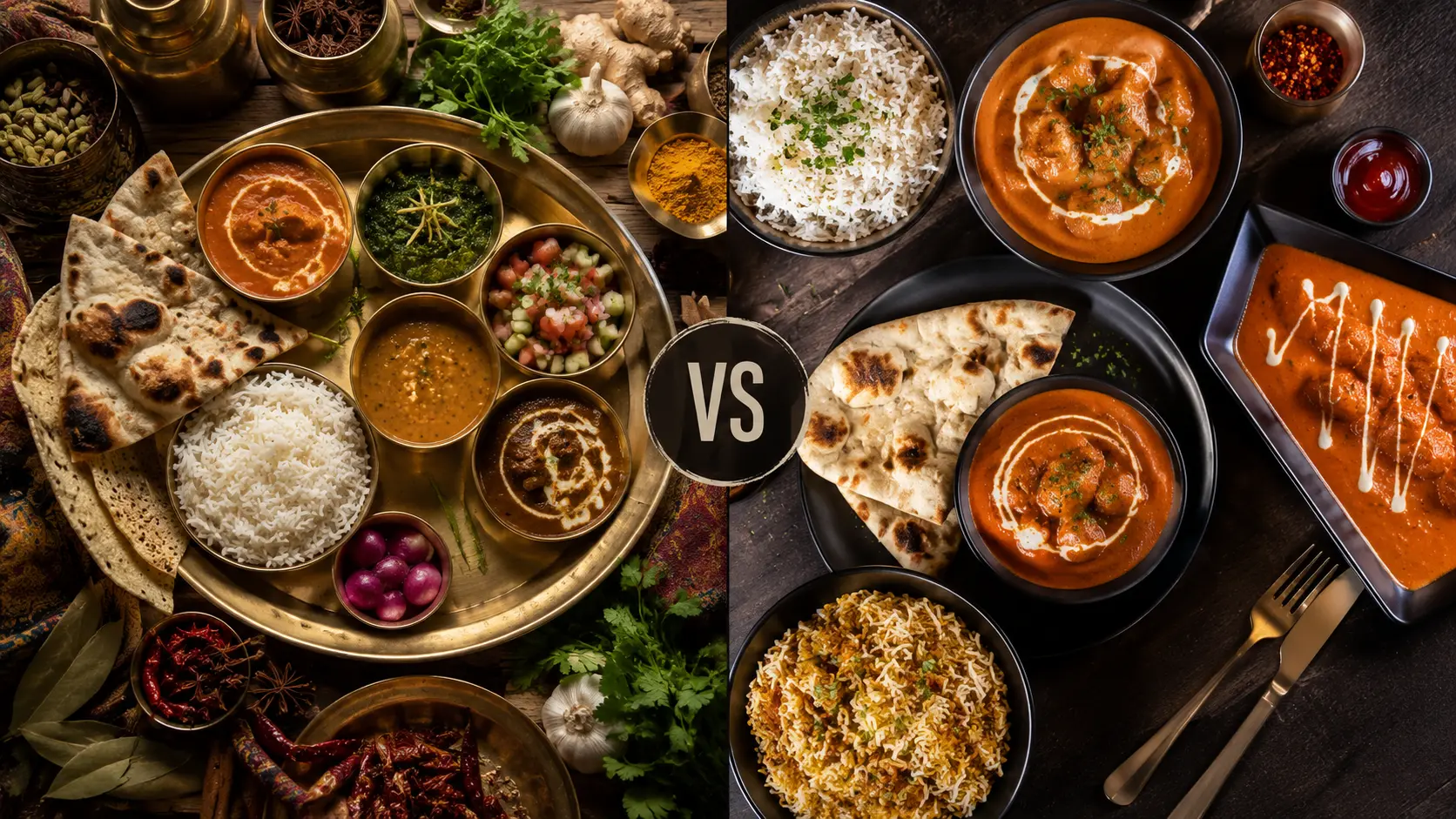
Real Indian food prioritises unprocessed masalas and age-old cooking approaches:
Some changes happen when dishes move across borders, spices get toned down, formulas shift. Not always hotter, sometimes milder fits better. Preferences shape what ends up on plates far from home. Adjustments follow taste habits that aren’t native to the original cooking. What was bold might now feel familiar instead.
Hidden in each bite at Sitar Indian Cuisine is a trace of honest taste. Long-standing techniques shape every meal, guided by fresh, careful ingredients, comfort finds you through known flavors, even when heat surprises your tongue. True taste doesn’t need loud announcements, it shows up on the Indian buffet experience.
Start anywhere on the map of India, flavors shift within hours. Not just one way to cook here, every corner has its own rhythm, shaped by what grows nearby plus generations of habit. Some places steam fish with coconut; others roast lamb slowly with spices that stain fingers yellow. Meals change like dialects do when you cross an Indian street food in USA, nobody sees.
Why Durham Is Embracing Indian Food
Indian food fills Durham’s streets, which brings more than flavor. What counts goes beyond spice on the tongue, watch how turnover in dishes tracks job swings, daily rhythms, who comes, who stays, who leaves.
Where silence ruled for years, buildings now flicker with work, labs rise beside classrooms, clinics open their doors, not from plans drawn long ago, but because thoughts still show up unannounced. People showing up from distant places bring flavors their grandmothers knew, so dinner here tastes different now.
Several local factors support the growth of Indian cuisine popularity:
- Cultural Diversity
People cross regions as Indian street food in Durham transport Traditional Indian recipes, so kitchens and so the chefs cook dishes that recall the taste of growing up. These dishes land on tables far from where they began, slipping into menus untouched until now. Even as streets transform, what’s on the stove keeps feeling familiar to the ones who make it.
- Food Exploration
Young diners today feel a real pull toward trying dishes from distant kitchens. Meals carry them across borders like Regional Indian cuisines without leaving their table.
- Balanced diet picks
Spices through Indian meals as plant pulses sit alongside mixed leafy greens and legumes, reaching people who care about feeling well. A whiff of cumin or turmeric often signals a dish built on plants. Meals come alive when legumes simmer slowly with bold flavors. The taste leans rich, yet the body feels light after eating such food. Tradition shapes every bite without shouting about it.
- Community Connections
Besides dishing out meals, eateries tend to become spots where culture shows up in conversation and common moments. People find each other there, over plates, across tables, where flavors bring more than just taste.
Fresh flavors keep drawing crowds into Indian eateries across Durham. Because of shifting tastes, meals now carry more local appeal. A quiet shift in what people order has reshaped how menus take form. With each season, spice blends find new fans. This steady rise mirrors changes bubbling through the city’s food scene.
Exploring an Indian Restaurant Buffet and Street Food Experiences
Spices hit your nose right away, whether it is day one or ten. One bite brings back smoke, color, bright scents, old ways living in each mouthful.
- Street Food-Inspired Dining
One taste at a time, people uncover bold tastes in tiny plates at countless places, full plates aren’t needed when strong tastes show up fast. Some meals make an impression long before the last forkful. Starting small means trying more, snacks bring big flavor, just not the bulk.
- Traditional Restaurant Dining
People sit down in Authentic Indian dining to eat as curries show up on plates alongside biryanis. Tandoori items come hot from the oven. Breads arrive warm, torn or folded. Desserts finish things off. Comfort stays part of the scene throughout.
- Indian Restaurant Buffet Experience
A first bite at an Indian Restaurant Buffet might just open the door for someone unfamiliar.
Key aspects are:
- Try multiple dishes during one visit
- Discover new flavors without risk
- Secure high returns on your investment
- Browse veg and non-veg selections
- Identify the meals that delight you
Curious what Indian food to try? A buffet opens the door, as butter chicken often leads the pack. Chicken tikka masala follows close behind and biryani shows up on most trays, samosas sit ready to snack, naan arrives warm and soft, also dosa spreads thin on hot surfaces. Vegetarian picks fill many plates.
Sitar Indian Cuisine serves meals inside the restaurant, plus spread-out buffets, food for big gatherings, and also brings dishes right to your door. Family dinners happen here, celebrations get fed too, even quiet nights at home find flavor through delivered plates.
People usually open DoorDash instead of picking up the phone. If getting food quick is the goal, Uber Eats often wins out. Grubhub keeps things moving without hiccups.
Conclusion
Nowadays, more people are opting for Indian meals like Indian food in Durham, showing how tastes shift over time. Because of the wider cultural variety here, genuine global dishes get noticed like never before. Spicy bites bought between errands or slow meals stacked with dishes, every hunger finds its match. Dishes that seemed strange at first now feel right at home on neighborhood tables.
You will find Sitar Indian Cuisine holding strong after over two decades. Not flash, just care, each dish built slow, using family methods passed down through time. Quality shows up in the spices, the sauces simmered long past sunrise. People return because comfort lives here, tucked beside warm naan and steady hands in the kitchen.
Step into Sitar Indian Cuisine any day this week for a taste of real Indian street eats alongside classic plates made just like home. Not only can you sit down inside, but there is also a wide buffet waiting, or even meals brought straight to your door. People in Durham have returned again and again, over twenty six years for those same flavors, always made from scratch.
Maybe you’re hungry, a tasty bite could be closer than it seems. Slide through the options online, then pick one. Maybe on a bike, maybe by car, as apps like DoorDash or Uber Eats handle that part. Or try Grubhub if you feel different. Order online from Sitar Indian Cuisine and it shows up warm and fast.
Frequently Asked Questions
1. Is Indian food vegetarian-friendly?
People throughout India often go for food made without animals. Nearly any eatery serves up satisfying picks, think creamy paneer treats, spiced lentil stews, rich veggie sauces on rice, or flatbreads packed with flavor. Mention you skip animal products, staff will point out standout plates without hesitation.
2. How spicy is authentic Indian food and can it be customized?
Most places won’t mind changing how hot your food is. Try saying “not too strong” or “just warm” rather than anything about Indian heat. Butter chicken and lentil stews usually start off gentle. Through the kitchens, as the heat runs when the chilli hits harder, a small dish of cold yogurt mix assists.
3. What’s the difference between North and South Indian cuisine?
In a North Indian food, flatbread with rich curry bowls, meanwhile meat melts into tomato broth. In a South Indian plate, through texture and temperature, as coconut milk adds depth to the stew, dosas are filled with spiced potatoes, and are accompanied by sambar with idlis that soak up.
4. How do I order at an Indian restaurant if I’m new?
Start light samosas work well up front. Moving on, pick a rich option like butter chicken or paneer makhani alongside something roasted such as tandoori chicken. Bread or grains; go for naan or rice, staff often share favorites, happy to help first-timers settle in.
5. What should I try first if I’m exploring Indian food?
Start with something gentle like butter chicken without heat. Crisp-edged samosas arrive stuffed with soft potatoes. Garlic naan, golden and rich from butter. Dal makhani simmers slowly, deep in flavor, earthy from lentils.